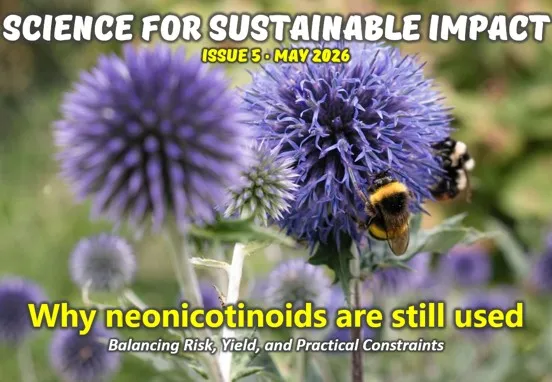
Science For Sustainable Impact: Issue 5, May 2026
Pollinator protection is central to conversations about modern crop protection and sustainable agriculture.
May 1, 2026
Barbara Amoah, PhD, PMP
A Three-Part Series: Balancing Pest Control and Pollinator Protection
If the risks associated with neonicotinoids are well known, why do they remain so widely used?
In April, we examined the risks associated with neonicotinoids, particularly their persistence in the environment and potential impacts on pollinators.
This month, we turn to a related question: If risks exist, why are neonicotinoids still widely used?
The answer lies in the tradeoffs that shape real-world pest management decisions where pest pressure, productivity, and practical constraints intersect.
We will end this series in June, where we will explore how integrated approaches can help reduce risk while maintaining effective crop protection.
The Role of Neonicotinoids in Crop Protection
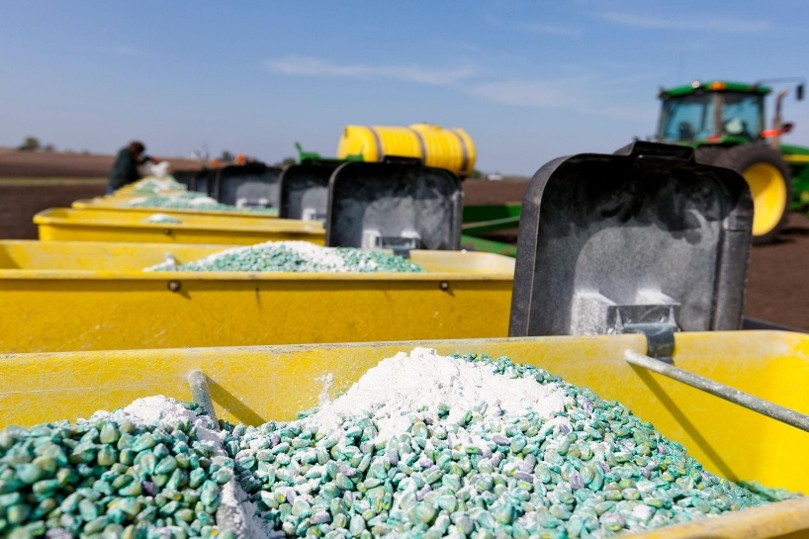
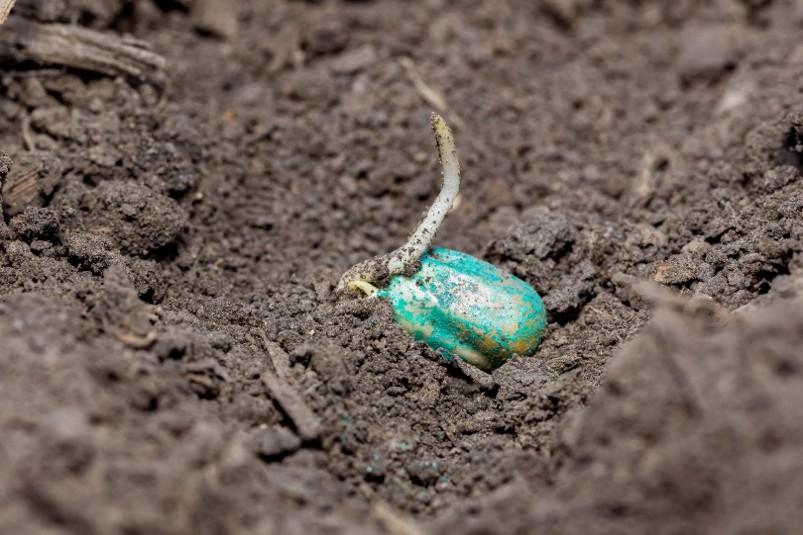
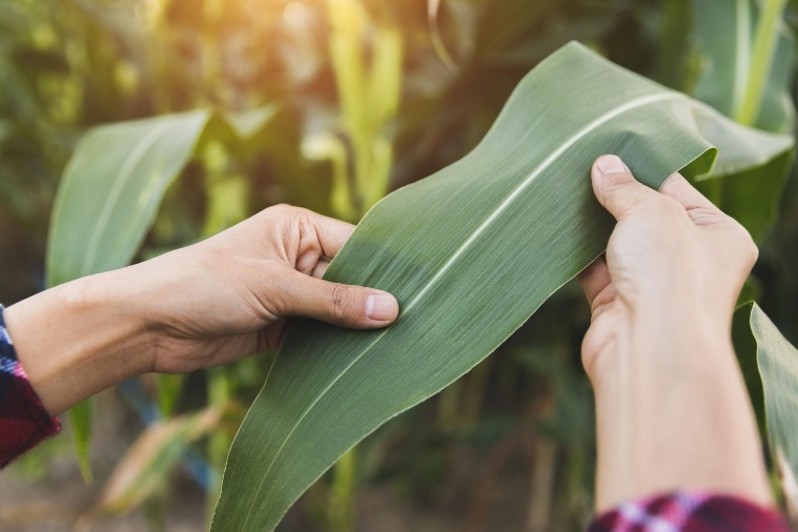
Neonicotinoids are commonly used as seed treatments, especially in crops such as corn, to protect against early-season pests.
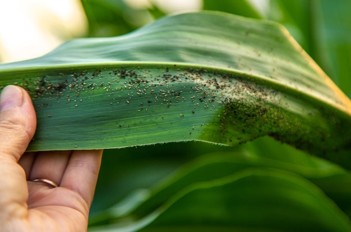
At this stage, crops can be highly vulnerable. Soil-dwelling insects may reduce stand establishment, early feeding injury can affect crop uniformity, and yield potential may be influenced before damage is even visible.
Seed treatments provide preventive protection at a stage when intervention options may be limited.
For many producers, this approach offers:
- Reduced need for early foliar applications
- Operational efficiency during planting
- Protection under uncertain pest conditions
For these reasons, neonicotinoids are often viewed as risk management tools.
At the same time, criticism of prophylactic use where pest pressure is low has raised important questions about where use is justified and where greater selectivity may be warranted.
What Happens When Use Is Restricted
Regulatory actions are increasingly shaping how neonicotinoids are used.
From state-level restrictions to evolving federal and international scrutiny, their use is increasingly subject to greater control and oversight. In 2024, the Washington State Legislature passed Substitute Senate Bill 5972 (SB 5972), restricting certain uses of neonicotinoid pesticides under (RCW 15.58.485). Beginning January 1, 2026, neonicotinoid pesticides can only be applied to outdoor ornamental plants, trees, or turf by licensed applicators, by tree injection, or for agricultural purposes. This state law is intended to protect pollinators by limiting the use and reducing the likelihood of pesticide misapplications that can harm pollinators.
These developments raise an important practical question:
What happens when access to these tools changes before scalable alternatives are fully in place?
That question helps explain why discussions around neonicotinoids often center not only on risk reduction, but also on substitution, feasibility, and unintended consequences.
The Practical Trade-Offs
While restrictions aim to reduce environmental exposure, they may also introduce new challenges in crop production systems.
Without seed treatments, producers may face:
- Greater uncertainty during crop establishment
- Pest damage before intervention is possible
- Increased reliance on reactive in-season management
This can lead to shifts toward alternative chemistries or greater management complexity.
A central tension in agriculture is often this:
Reducing one type of risk may introduce another.
That does not argue against risk reduction, rather, it highlights the complexity of substitution.
Decision-Making Under Constraints
Pest management decisions are rarely made under ideal conditions.
They are shaped by uncertainty in pest pressure, timing limitations, economic considerations, regulatory requirements, and availability of alternatives.
In this context, neonicotinoids are often used not because they are viewed as perfect tools, but because they can offer predictability in uncertain systems.
Risk Management, Not Risk Elimination
The continued use of neonicotinoids reflects a broader reality:
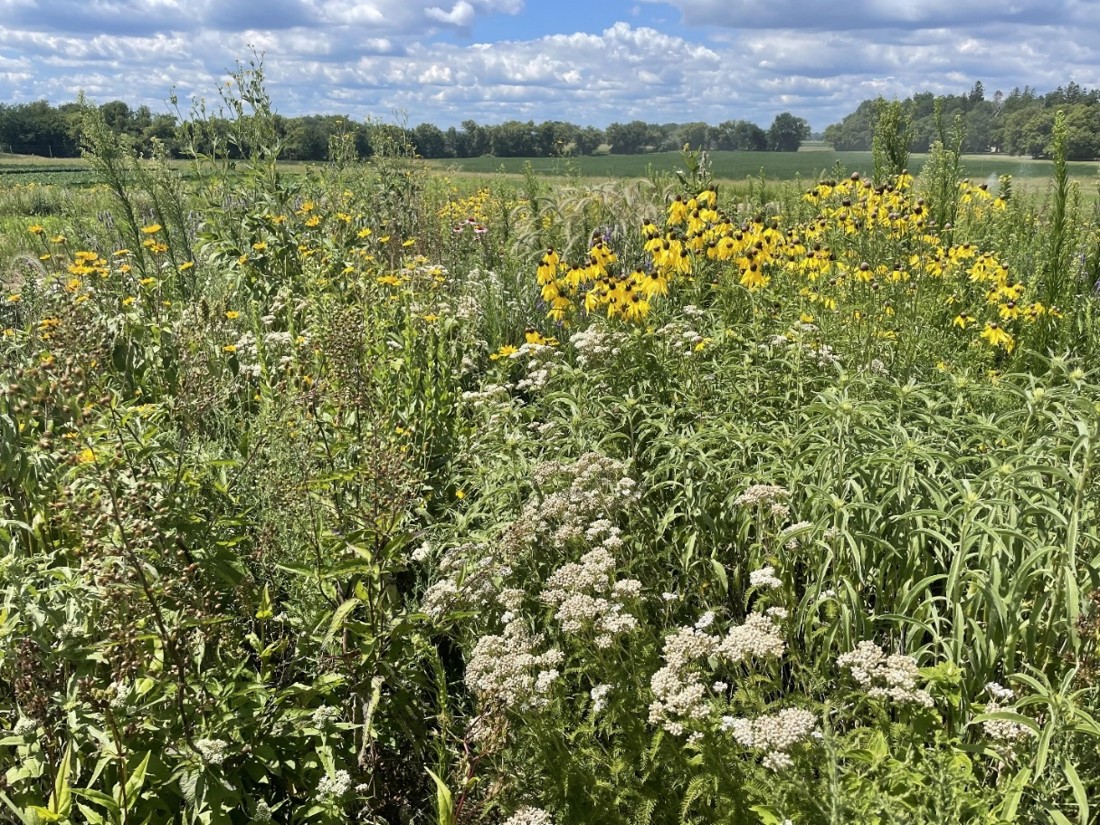
Integrated approaches seek to optimize pest management while protecting beneficial organisms.
Agricultural systems operate under competing risks.
Producers may simultaneously manage the risks of pest damage, yield loss, environmental exposure, resistance development, and regulatory non-compliance.
This is why the question is not simply whether neonicotinoids should be used, but how their use can be better targeted, reduced where possible, and managed responsibly.
Why This Matters
As sustainability expectations evolve, crop protection decisions are becoming more complex. The challenge is no longer framed simply as productivity versus environmental protection. It is how to sustain both. This is why this discussion matters beyond neonicotinoids themselves. It is ultimately about how agricultural systems manage tradeoffs.
Looking Ahead
Understanding why these products remain in use brings us to a critical next question:
If neither unrestricted reliance nor simple prohibition offers a complete answer, what does a more integrated path forward look like?
In the next issue, we will explore integrated pathways in which neonicotinoids may remain one tool among others for optimizing pest management while protecting pollinators.
Let’s Continue the Conversation
What do you see as the most difficult balance to achieve in crop protection systems today:
- Protecting crops from pest damage?
- Minimizing environmental risk?
- Navigating changing regulatory expectations?
I welcome your perspective.
References
- European Food Safety Authority. Neonicotinoids: Risks to Bees Confirmed.
- European Commission Joint Research Centre. The Impact of Restrictions on Neonicotinoid and Fipronil Insecticides on Pest Management in Agriculture (Kathage et al., 2018).
- University of Wisconsin–Madison Extension. Neonicotinoids insecticides: Widespread use and emerging impacts on agricultural landscapes.
- Washington State Department of Agriculture. Neonicotinoids – Restrictions on certain uses of neonicotinoids.
#CropProtection #IntegratedPestManagement #Pollinators #SustainableAgriculture
#AgInnovation #FoodSecurity
Science for Sustainable Impact Newsletter is published monthly on the first of each month. Subscribe here.